What you get, and what it’s worth.
Your first 90 days, everything that ships with Yeez, the AI apps it runs in, how search is built in, and a calculator for your own numbers.
The system behind a 40M-view-a-month network, now working on your sites.
Yeez writes and posts your articles, social posts and newsletter every day, so you get more views and make more money. It runs in the desktop AI app you already use: Claude, Codex, the ChatGPT desktop app, Cursor, Grok and more.
It runs your content for you, every day.
- You install it once, in the desktop AI app you already use.
- Every night it finds the stories people want to read today.
- It writes the articles, checks every fact and puts them on your website.
- It turns the same stories into Facebook and other social posts and a newsletter, and schedules them.
- Before anything goes live, you (or a helper) look it over and change or delete whatever you want.
More good posts → more views → more money.
Yeez does the work. You stay in charge of what goes out.
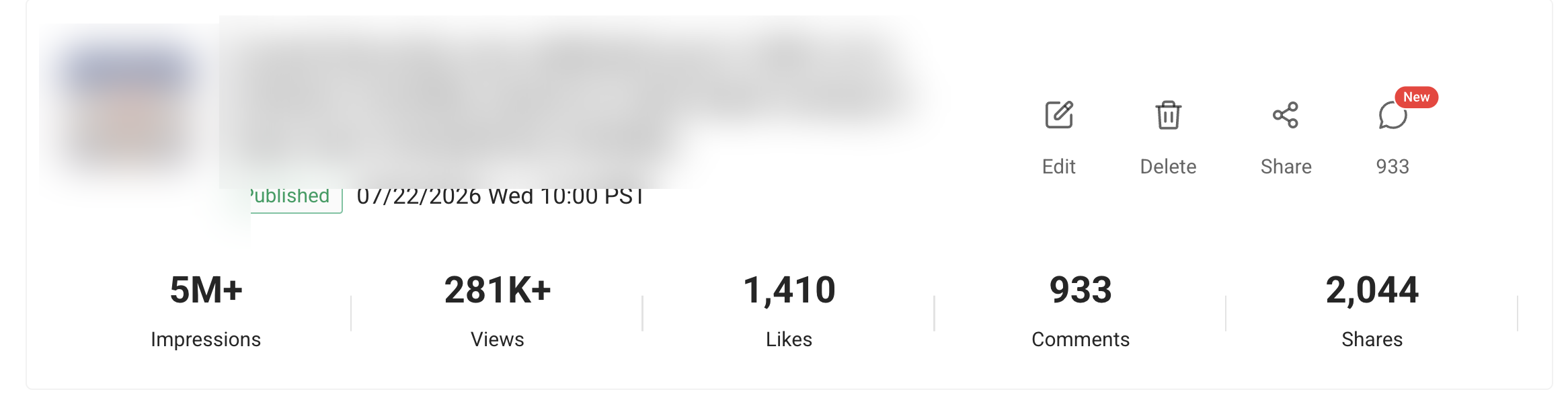
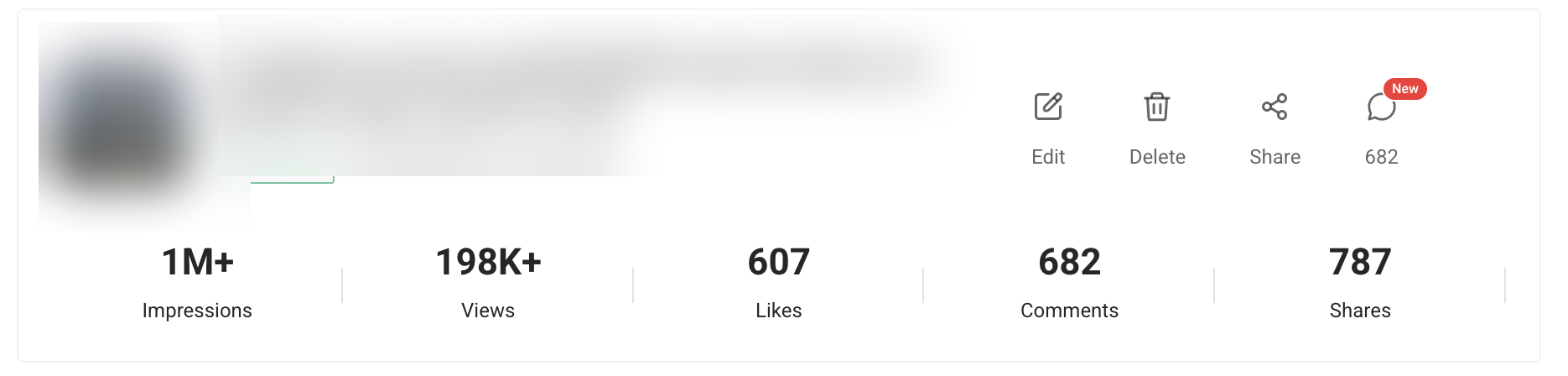
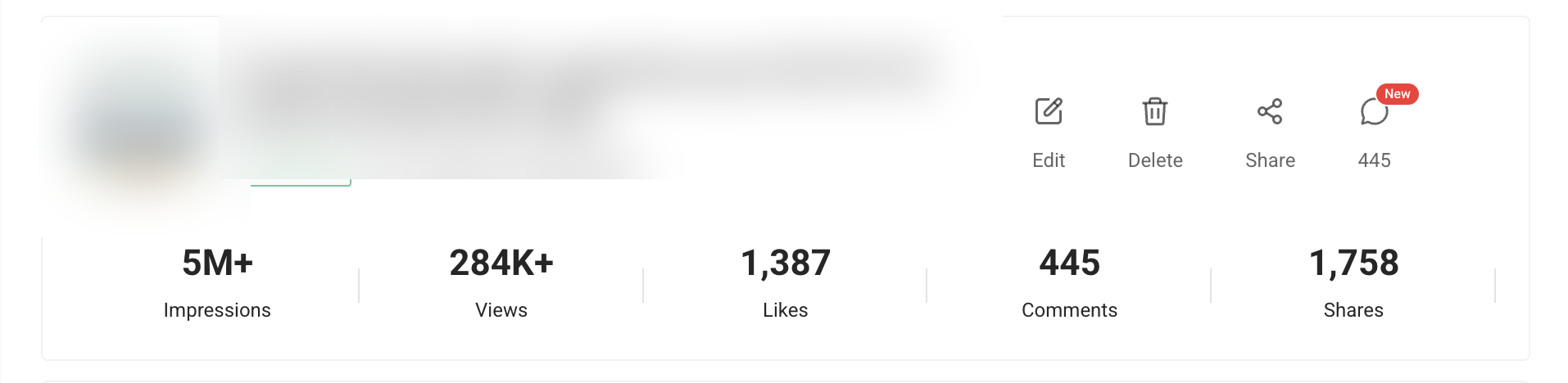
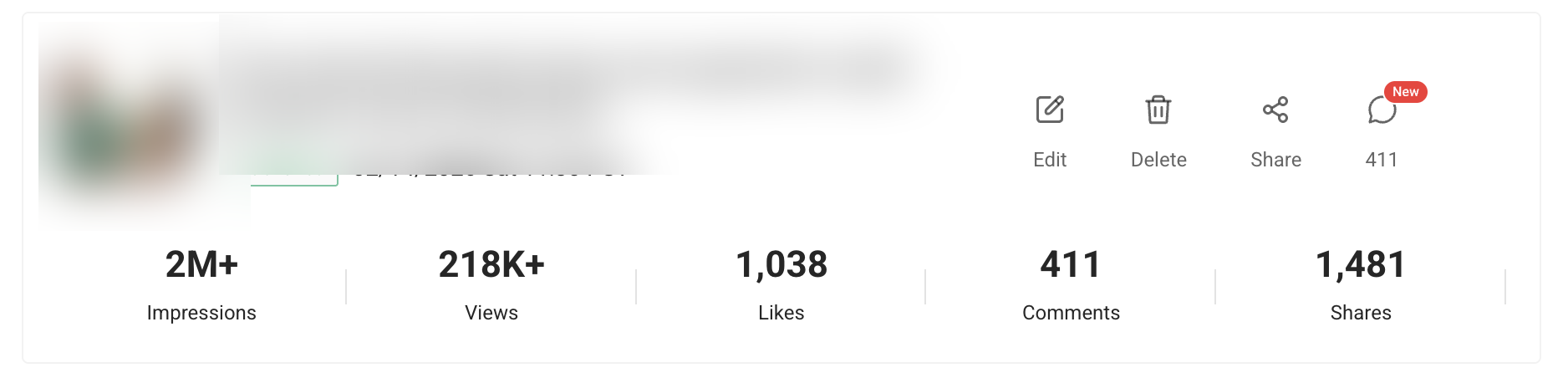
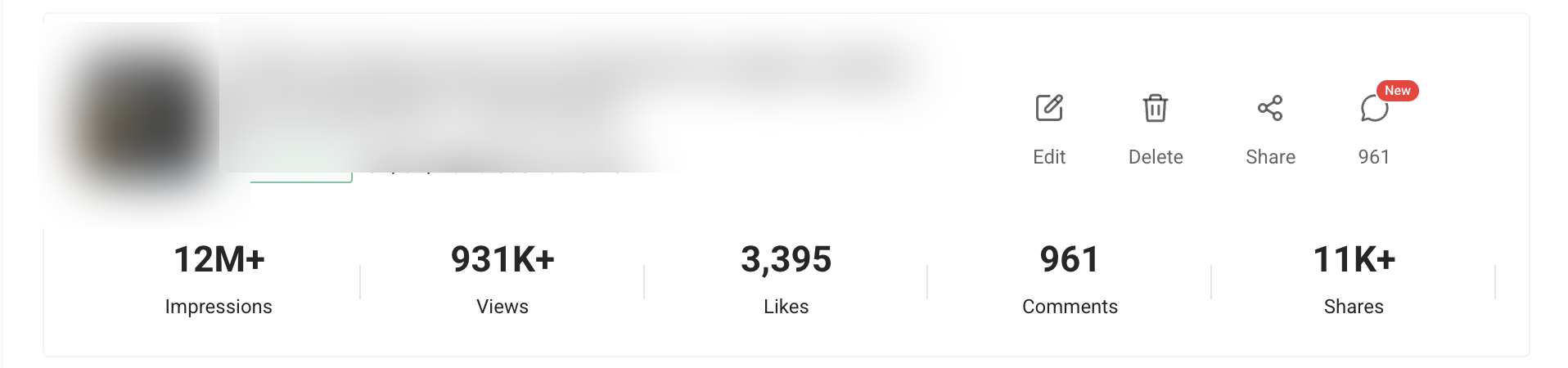
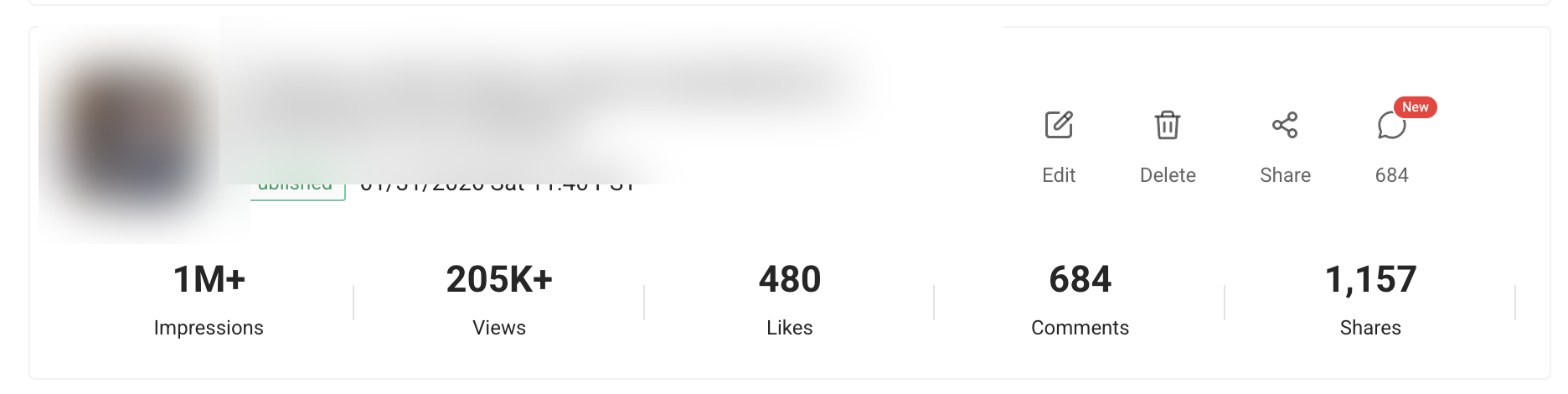
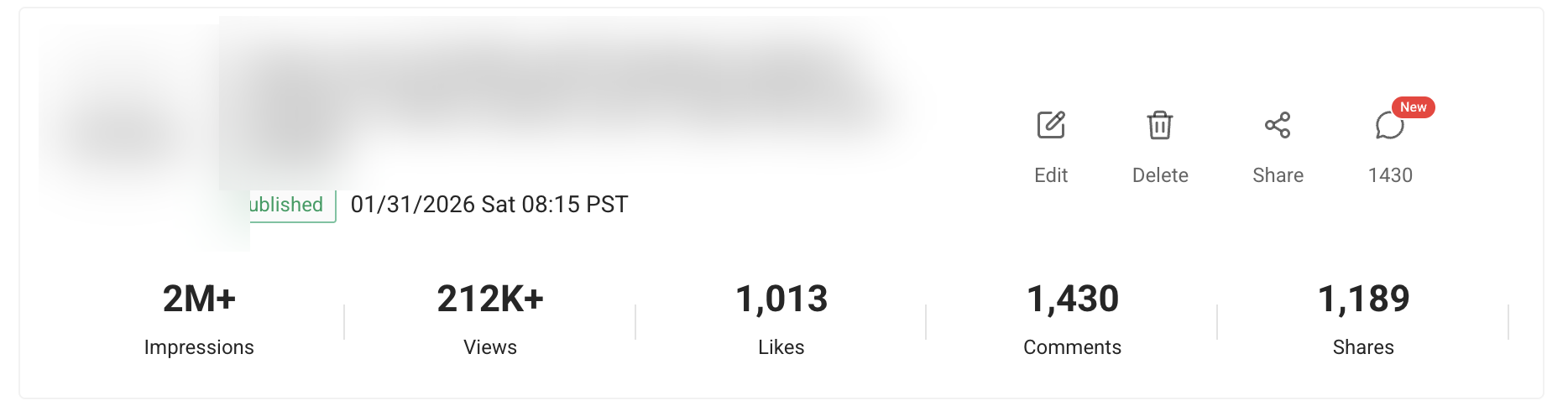
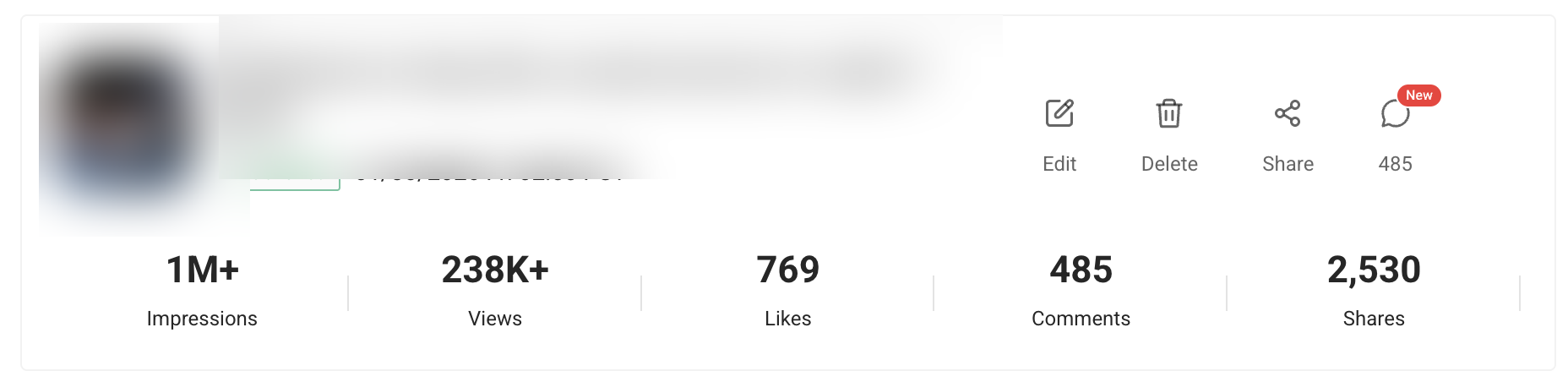
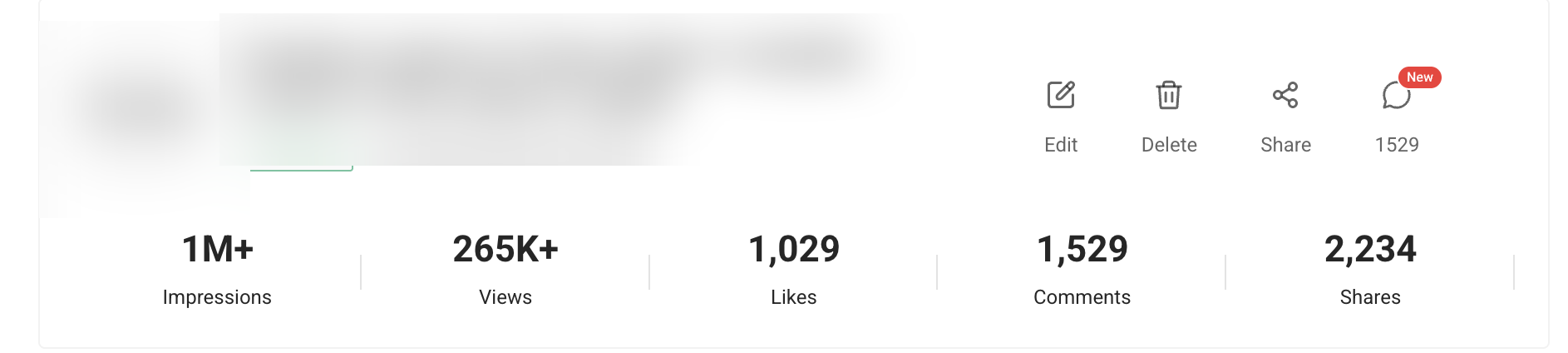
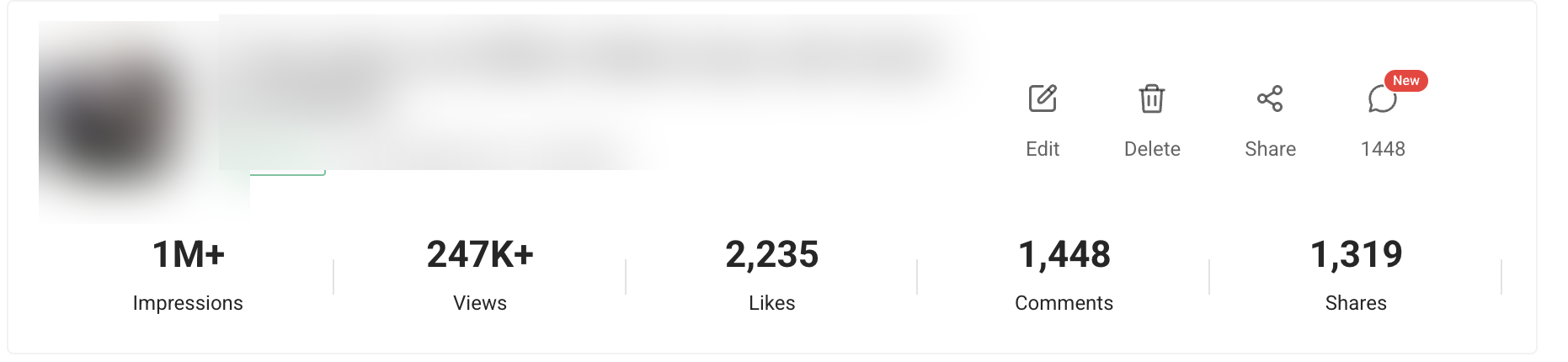
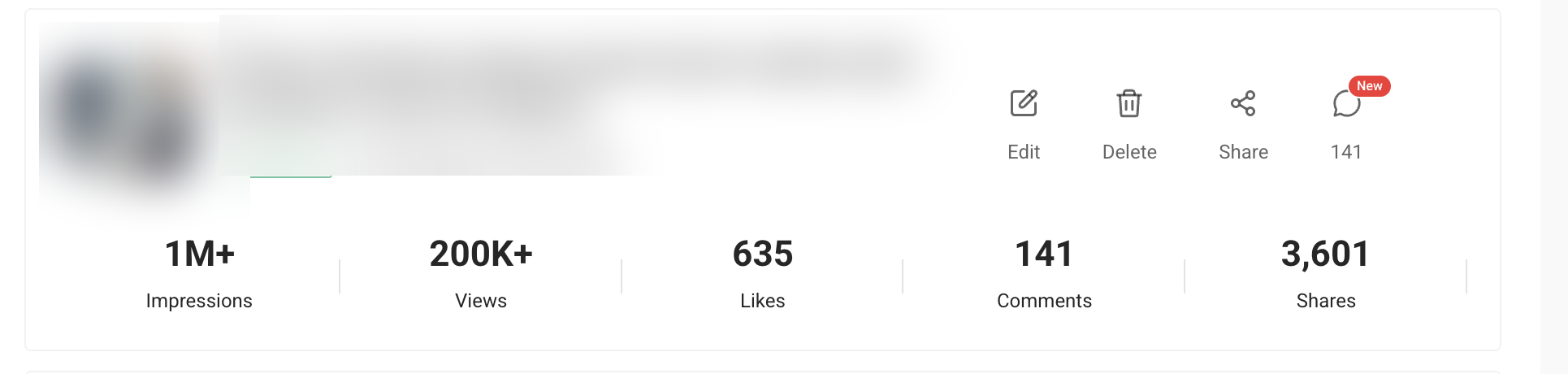

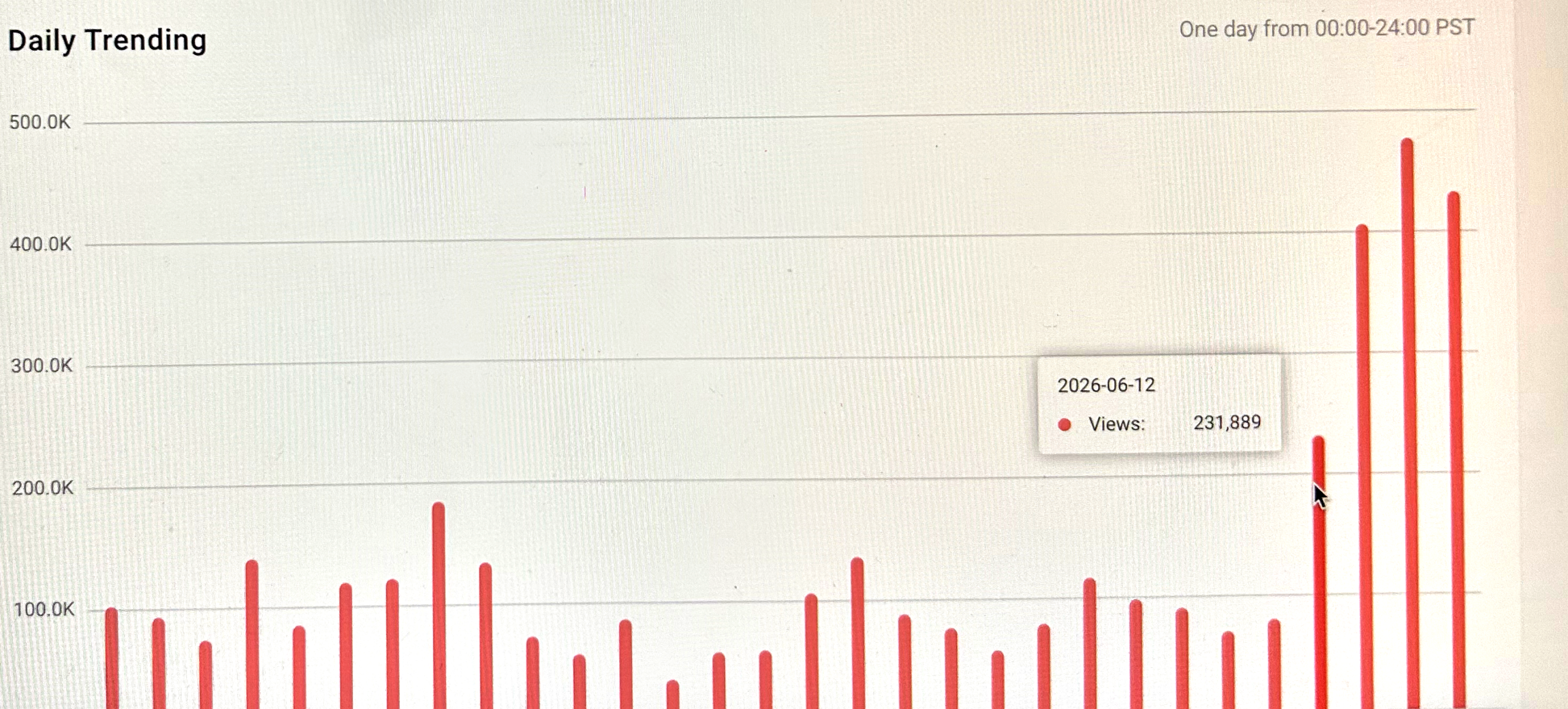
Built in a live network, not a lab.
Every number opens the real dashboard it came from.
Same loop on every platform: better content first, then more of it.
Pick the channel you care about. Each one shows a site or page before Yeez and after.
Install once. Connect your sites. Then it runs.
It’s a plugin. You install it in your desktop AI app, fill in a two-minute form and connect your sites. Yeez learns each site from your own numbers, then these run on the schedule you set.
From install to your earn-back check.
What happens, and what you do, from the day you install it to day 90.
Install and connect
Install Yeez in your desktop AI app, fill in a two-minute form and connect your sites. Yeez pulls your numbers and works out what gets views on each site.
You: the form, connecting your accounts with the videos, and confirming what Yeez learned.
First drafts
Your first ranked headlines and sourced drafts arrive. Once the voice is right, your scheduled runs turn on.
You: read the first drafts and approve the voice.
Running on your schedule
Articles scheduled on your site, Facebook and Instagram posts queued, the weekday newsletter drafted. Every week, a review of your winners and losers sets next week’s rules.
You: look over what’s queued and change anything you want before it goes live.
Earn-back check
Compare what your sites earned in the 90 days with Yeez against the 90 days before. If it hasn’t earned back what you paid, we refund the difference.
You: send us your dashboards if you want to claim.
A one-person media company, run on your schedule.
Everything that comes with Yeez.
The engines you install, the rules behind them, the setup, the training and the help.
It runs inside the desktop AI app you already use.
Every article is ready for Google before it goes live.
Built around Google’s published guidance for AI-assisted publishing: every article sourced, checked, bylined, structured and reported on weekly. Set up once, then it runs with every article.
Written from the checked article and set in your SEO plugin (Yoast, Rank Math or SEOPress) automatically, with a focus phrase and tags.
News article markup, a Google News sitemap, and featured images 1200px or wider with large previews switched on.
Each answers a question your readers already type into Google, goes deeper than the news, and waits for your OK before it publishes.
2 to 4 links to your related articles inside each new one, so readers and Google find the rest of your site.
About, contact, editorial policy and corrections pages written from your details, plus author bios for your real writers.
New posts are sent to Bing the moment they go live, and setup checks that Google’s, Bing’s and ChatGPT’s crawlers can reach your site.
Clicks from Search, Discover and Google News, which articles Google indexed, and the pages worth refreshing next.
One upload during setup. It does the search work on your own site, and nothing about your readers leaves it.
Articles sitting just off Google’s first page get picked out for an update, along with the questions your readers are searching right now.
Google decides what ranks. Yeez follows its published guidance and shows you the results every week; nobody can promise a ranking or a place in Google News or Discover.
See what it actually makes.
A real article, newsletter issue and Facebook posts, exactly as they went out. Scroll through each one.
A sourced article, as published
Made start to finish by Yeez: it picked the story, ranked the headline against 50 others, wrote the article, linked every claim to Social Security’s own pages and published it on schedule.
Main Street Dollars
Read the full case study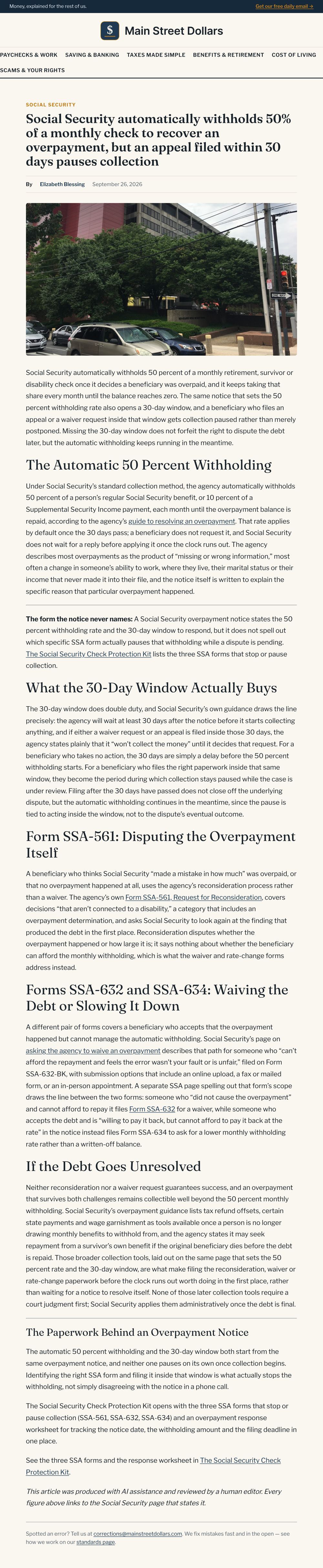
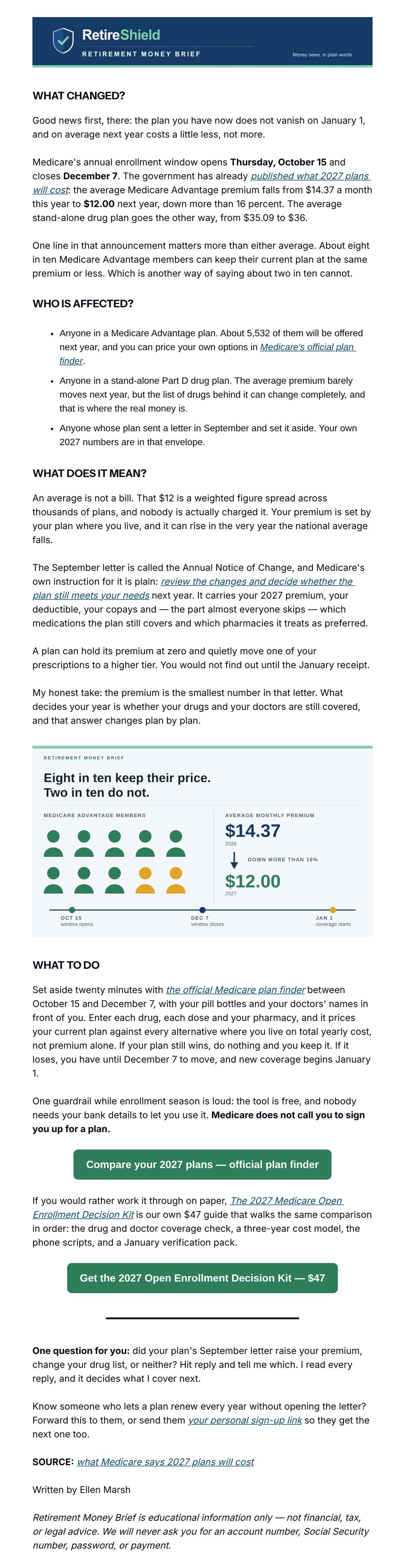
A weekday issue, as subscribers saw it
Made start to finish by Yeez: built from the day’s best story, sourced to Medicare’s own announcement, with one product placed where it fit.
Retirement Money Brief · a newsletter we help run
Facebook posts, made from the same stories
Made start to finish by Yeez: it found the story, checked the sources, wrote the text, made the image, wrote the caption and scheduled the post. A VA spends 45 minutes a day looking over everything before it goes out.
Pages we help run

John Fetterman crossed the aisle to co-sponsor a bill barring China from buying American farmland — a rare bipartisan national-security move.


You clock a full week. So should the people you pay $174,000 a year.
Sens. Mike Lee and Rick Scott are pushing to scrap the Senate's cushy three-day weeks and require a real five-day schedule. One retired construction worker put it bluntly: forty years, five days a week, rain or shine — watching senators treat three days as hard labor makes his blood boil.
They set their own hours on your dime.
Should Congress be forced to work a full week like the rest of us — YES or NO?


When a leader warns his own party could be wiped out by a bill, people listen.
Schumer's circulating warning is that the SAVE Act — a proof-of-citizenship voting measure still pending in Congress, not yet law — could cost Democrats seats for years. Supporters say that reaction proves the point about election integrity.
A rule that only scares people who fear an honest count is a rule worth reading closely.
Do you support the SAVE Act — yes or no?

Thirteen kinds of articles. Click one and read it.
Breaking news to recipes to reviews, each built the way the biggest publishers in that format build it. All written by Yeez from real, linked sources.
Bose recalls 670,000 speaker batteries after packs melted and caught fire
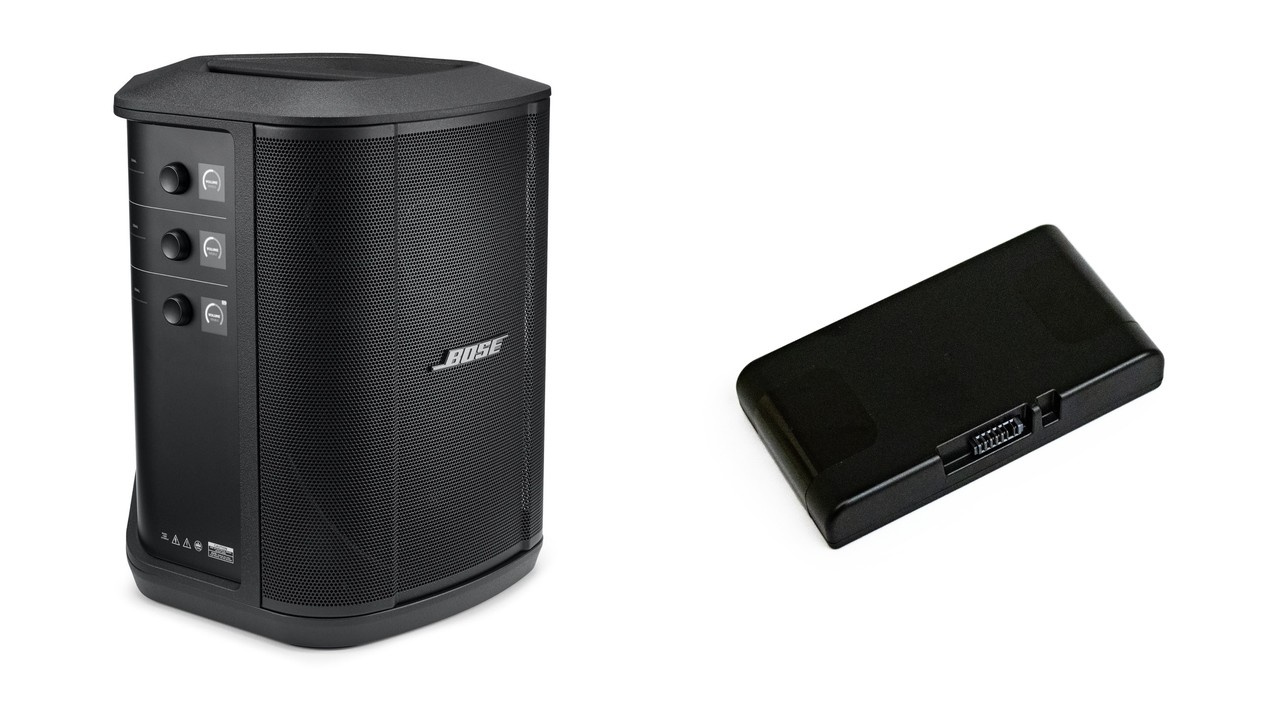
FRAMINGHAM, Mass. (Nov. 20) — Bose is recalling about 670,000 rechargeable battery packs for its S1 Pro and S1 Pro+ portable speakers after reports of packs melting, smoking and catching fire, federal regulators said.
The company has received seven reports of overheating, six of which caused property damage, according to the U.S. Consumer Product Safety Commission. No injuries have been reported.
Owners should stop using the packs right away and remove them from the speaker, the agency said. The speakers still work when plugged into a wall outlet.
Bose is replacing the packs for free.
The recall covers 634,759 packs sold in the United States and about 35,400 in Canada. They were sold from December 2017 through July 2026 at Bose and Best Buy stores and online through Amazon, Walmart.com and other retailers, either installed in the roughly $700 speaker or on their own for $100 to $160.
The S1 Pro is a fixture at small gigs, fitness classes, church services and backyard parties, and many owners carry a spare pack. Spares bought separately are included.
A pack is part of the recall if the 17-digit serial number on the label under the bar code begins with 083723, 078352, 084105, 078591, 078592, 084106 or 086409.
Owners can check a serial number and order a replacement on Bose’s recall page or by calling 800-278-1083, weekdays from 9 a.m. to 9 p.m. ET and Saturdays from 9 a.m. to 7 p.m. ET.
The commission warned owners not to put recalled packs in the trash, in curbside recycling or in the battery drop-off bins found at many retail and home-improvement stores. Damaged lithium-ion batteries should go to a household hazardous waste site that accepts them, according to the Environmental Protection Agency.
The recall was announced jointly with regulators in Canada and Mexico. Health Canada said aging packs can expose the cells to “potentially damaging operating conditions,” and it is illegal to resell or give away a recalled pack there.
The packs were made in China and imported by Bose Corp., which is based in Framingham. The CPSC listed the action as recall No. 27-065 under its Fast Track program, which is used when a company moves to fix a problem quickly.
Consumers can report overheating or other problems with a pack at SaferProducts.gov.
- Built like an AP wire story: dateline, then who, what and what to do in the first three paragraphs
- One or two sentences a paragraph and no subheads, so any paragraph can be cut from the bottom
- Every fact attributed to the agency that said it
- Plain text and links only, so it publishes cleanly on MSN, Yahoo and NewsBreak
Thanksgiving travel live updates: AAA expects 81.5 million on the move; gas averages $3.72
Holiday travel week starts Tuesday. Here are the numbers, the best and worst times to leave and what it costs to get there.

Here’s what to know:
- AAA expects 81.5 million people to travel 50 miles or more from home between Tuesday, Nov. 24, and Monday, Nov. 30. That is about 121,000 fewer than last year, ending a three-year run of records.
- Nearly nine in 10 will drive: 72.9 million people.
- Domestic airfare booked through AAA averages $800 round trip, up 17%.
- Regular gas averaged $3.72 a gallon nationally on Wednesday.
9:05 a.m. ET
A tank of gas costs $38 more in Hawaii than in North Carolina
Priya Raman
Where drivers fill up matters more than when. Regular unleaded averaged $3.06 a gallon in North Carolina on Wednesday and $5.60 in Hawaii, according to AAA’s daily state averages. Indiana ($3.17) and Texas ($3.20) were the next cheapest. California ($5.51) and Nevada ($4.80) trailed Hawaii at the top.
On a 15-gallon fill-up, the spread between the cheapest and the most expensive state comes to about $38.
Nov. 19, 6:40 p.m. ET
Is it worth leaving Monday?
Marcus Hale
For drivers who can swing it, yes. AAA’s rental partner Hertz expects the Tuesday and Wednesday before Thanksgiving to be its busiest pickup days, RV PRO reported, and those are the same two days most drivers head out. Leaving a day earlier, or early on Thanksgiving morning, avoids the worst of both.
Nov. 18, 11:15 a.m. ET
Flying is the one mode that is shrinking
Priya Raman
AAA projects 5.96 million domestic air travelers, down 0.2% from last year, as fares climb. Round-trip tickets booked through the club’s travel agency average $800, 17% more than a year ago, TravelPulse reported.
Buses, trains and cruises are the only category growing, up 4.1% to 2.6 million travelers.
Nov. 16, 3:10 p.m. ET
AAA: Fewer travelers, but roads and airports will still feel full
Marcus Hale
AAA released its forecast on Monday afternoon. Stacey Barber, the club’s vice president of travel, said the number was slightly lower partly because of higher travel costs, but that travelers won’t notice much difference on the roads or in airports.
AAA answered more than half a million roadside calls over last year’s holiday, mostly for flat tires, dead batteries, lockouts and tows, the club said.
Nov. 16, 8:00 a.m. ET
No coast-to-coast storm in the long-range outlook
Priya Raman
The Farmers’ Almanac is calling for a typical late-November week, mild and dry in the Southeast. Long-range outlooks change; the National Weather Service forecast for a specific route is the one to check the night before leaving.
- Pinned “Here’s what to know” list on top, posts newest first (New York Times and CNN live format)
- Every post timestamped, with its own headline and byline
- Posts as short as two sentences; each stands alone when shared
- Updated through the week from AAA’s own data
The 10 most-visited national parks of 2025
One park drew more visits than the next two combined.
National parks recorded 323,014,305 recreation visits in 2025, according to the National Park Service, just shy of 2024’s record despite a 43-day government shutdown. Twenty-six parks set records of their own. These 10 drew the biggest crowds.

Rhododendrites / CC BY-SA 4.0
1. Great Smoky Mountains, Tennessee and North Carolina
2025 visits: 11,527,939
It wasn’t close. The Smokies drew more than twice the visits of any other national park, helped by a location within a day’s drive of a third of the country and no entrance fee. Morning fog on meadows like this one gives the range its name. Cars parked for more than 15 minutes need a parking tag. National Park Service

“Jon Zander(digon3)” / CC BY-SA 3.0
2. Zion, Utah
2025 visits: 4,984,525
Sandstone walls rise 2,000 feet above the Virgin River in Zion Canyon, where a shuttle replaces private cars for most of the year. The park’s most famous hike, Angels Landing, now requires a permit awarded by lottery. National Park Service

Carsten Steger / CC BY-SA 4.0
3. Yellowstone, Wyoming, Montana and Idaho
2025 visits: 4,762,988
The world’s first national park sits on top of an active volcanic system. Grand Prismatic Spring, the largest hot spring in the U.S., is best seen from the Fairy Falls trail overlook, about a mile and a half from the parking lot. National Park Service

Tuxyso / CC BY-SA 3.0
4. Grand Canyon, Arizona
2025 visits: 4,430,653
Most visitors see the canyon from the South Rim, which is open year round. Hermit Road’s overlooks, including Powell Point, are reached by free shuttle for much of the year and are the favored spots at sunset. National Park Service

Diliff / CC BY-SA 3.0
5. Yosemite, California
2025 visits: 4,278,413
Tunnel View puts El Capitan, Bridalveil Fall and Half Dome in a single frame from a roadside pullout. Yosemite Valley covers a small fraction of the park, yet it is where most of its four million visitors spend their whole trip. National Park Service

DXR / CC BY-SA 4.0
6. Rocky Mountain, Colorado
2025 visits: 4,171,431
Trail Ridge Road tops out at 12,183 feet, the highest continuous paved road in the country, and spends 11 miles above the tree line. It closes for the winter and usually reopens around Memorial Day. National Park Service

Sixlocal / CC BY-SA 3.0
7. Acadia, Maine
2025 visits: 4,079,318
Granite headlands meet the Atlantic along the Park Loop Road on Mount Desert Island. Sunrise from Cadillac Mountain, among the first places in the U.S. to see daylight for part of the year, takes a vehicle reservation in season. National Park Service

Jon Sullivan, PD Photo. / Public domain
8. Grand Teton, Wyoming
2025 visits: 3,800,648
The barns of Mormon Row, built by homesteaders in the early 1900s, are among the most photographed buildings in the West. The Teton Range rises behind them with no foothills, which is why the view looks almost unreal. National Park Service

Olympic National Park / Public domain
9. Olympic, Washington
2025 visits: 3,584,187
Olympic is three parks in one: glaciated peaks, more than 70 miles of wild coastline and the Hoh Rain Forest, where moss hangs from maples and spruce in one of the wettest places in the lower 48. National Park Service

Ken Thomas / Public domain
10. Glacier, Montana
2025 visits: 3,136,557
The 50-mile Going-to-the-Sun Road crosses the Continental Divide at Logan Pass, carved into cliffs like these. It is usually open end to end only from late June or early July into October. National Park Service
- Built to the MSN and Yahoo slideshow format: one photo, a numbered title and a short caption per slide
- Every photo landscape, licensed and credited
- Captions of 40 to 60 words, each with one detail a visitor can use
- Plain HTML, so the slides survive syndication intact
Make-Ahead Brown Butter Mashed Potatoes

Yield: 10 to 12 servings
Time: 1 hour, plus up to 2 days to chill
On Thanksgiving, the oven is spoken for and every burner is working, which is exactly when most of us start peeling potatoes. Don’t. These are made a day or two ahead and baked while the turkey rests. Two things make that possible. Cream cheese keeps the mash supple after a night in the refrigerator, so it reheats smooth instead of stiff. And half the butter is browned first, which gives the potatoes a toasty, almost hazelnut depth that plain melted butter can’t, and that holds up beautifully through reheating. Yukon Golds are the right potato here: they are creamier than russets and far less likely to turn gluey.
Ingredients
For the potatoes
- 4 pounds Yukon Gold potatoes, peeled and cut into 2-inch chunks
- 2 tablespoons kosher salt, plus more to taste
- 4 ounces cream cheese, softened
- ½ teaspoon freshly ground black pepper
- 2 tablespoons finely chopped chives, for serving
For the butter and dairy
- 1 cup (2 sticks) unsalted butter, divided
- 1¼ cups whole milk
- ½ cup heavy cream
Preparation
Step 1
Put the potatoes in a large pot and add cold water to cover by an inch. Starting cold lets the outsides and centers cook at the same rate. Add 2 tablespoons salt, bring to a boil, then lower to a steady simmer. Cook until a paring knife slides into the largest piece and falls out on its own, 18 to 22 minutes.
Step 2
While the potatoes cook, melt 1 stick of butter in a light-colored saucepan over medium heat. It will foam, then go quiet. Keep swirling until the milk solids on the bottom turn the color of toasted almonds and the kitchen smells nutty, 5 to 7 minutes. Scrape it into a heatproof bowl right away; it goes from brown to burned in seconds.
Step 3
In the same saucepan, warm the milk, cream and the second stick of butter over low heat until the butter melts. Keep it warm. Cold dairy makes the potatoes seize and turn pasty.
Step 4
Drain the potatoes and return them to the empty pot over low heat. Stir for about a minute, until the surfaces look dry and chalky and the steam thins out. Pass them through a ricer or food mill, or mash by hand. Don’t use a blender or food processor, which turns potatoes to glue.
Step 5
Fold in the cream cheese until no streaks remain. Add the warm milk mixture in two additions, folding gently, then drizzle in the brown butter, browned bits and all. Season with the pepper and more salt until the potatoes taste a little more seasoned than seems right; they will mellow overnight.
Step 6
To make ahead, spread the potatoes in a buttered 9-by-13-inch baking dish, let cool, cover tightly and refrigerate for up to 2 days. To serve, bake covered at 350 degrees for 30 to 40 minutes, stirring once halfway, until hot all the way through. Top with chives.
Tips
- A light-colored pan is worth digging out for Step 2. In a dark pan, it’s hard to see the butter browning until it’s too late.
- For a lighter mash, replace the heavy cream with more whole milk.
- Refrigerate leftovers within two hours and reheat them to 165 degrees, as the USDA recommends.
- NYT Cooking structure: a headnote in the cook’s voice that says why the recipe works
- Yield and time up top; ingredients grouped by stage
- Every step tells the cook what to look, smell and listen for, and why
- Plain lists and text that carry into recipe cards and syndication
AirPods Pro 3 review, one year later: still the earbuds to beat
A year of flights, runs and phone calls later, the noise cancellation and the hearing features are why they stay in my pocket.

Somewhere over Nebraska on a 5 a.m. flight last winter, I realized I hadn’t heard the engines in an hour. Not muffled. Gone. I had the AirPods Pro 3 in, no music playing, and the cabin had shrunk to the sound of my own breathing.
That moment is most of the case for these earbuds. Apple says the Pro 3 cancel up to twice as much noise as the AirPods Pro 2, and after a year of wearing them on planes, trains and a very loud open-plan office, I believe it. They are still the best earbuds for anyone with an iPhone. The more interesting discovery is that the features I expected to ignore are the ones I now use every day.
The seal is the secret
The five sizes of foam-infused tips, from a new XXS to large, do as much for the noise cancellation as the processing does. My partner, whose ears never sealed with the old tips, now gets the same quiet I do. If they sound thin or let the bus in, try a smaller tip before blaming the earbuds. The fit test in Settings will tell you.
A heart-rate monitor I didn’t ask for
Each bud shines invisible light into the ear 256 times a second to read your pulse, and it feeds 50 workout types in Apple’s Fitness app. I run without a watch, so this was my first heart-rate data in years. It tracked my easy runs sensibly and lagged a few seconds behind hard intervals, which is fine for most people. It needs iOS 26 or later.
The hearing aid in your pocket
This is the feature that changes who should buy these. AirPods Pro 3 work as an FDA-authorized, over-the-counter hearing aid for adults with perceived mild to moderate hearing loss, set up with a hearing test built into the iPhone. My father took the test at Thanksgiving last year, scored in the mild range and now wears his pair at restaurants. Conversation Boost, which lifts the voice of whoever is facing you, works better in a noisy room than I expected.
Battery: the complaint that went away
Apple rates the Pro 3 at up to 8 hours per charge with noise cancellation on, two more than the Pro 2, and up to 10 in hearing aid mode. After a year, mine still clear a cross-country flight with room to spare. The case charges over USB-C, MagSafe or Qi.
What still bugs me
Live Translation, which interprets a conversation in real time, is clever and still feels like a beta. And almost everything that makes these special depends on an iPhone; on Android they are expensive, ordinary earbuds.
| Price | $249 |
|---|---|
| Battery, ANC on | Up to 8 hours |
| Battery, hearing aid mode | Up to 10 hours |
| Water and dust | IP57 |
| Ear tips | Five sizes, XXS to L |
| Works best with | iPhone, iOS 26 or later |
Score: 9/10
Good stuff
- Noise cancellation that genuinely deletes engine and office noise
- A real hearing aid, authorized by the FDA
- Heart-rate tracking without a watch
- Battery that lasts a long flight
Bad stuff
- Live Translation still feels unfinished
- The best features are locked to iPhone
- Long-term review in the style of The Verge: a first-person scene, then the verdict by the third paragraph
- Subheads that make a point instead of naming a category
- Specs from Apple’s own page; impressions from a year of use
- Score and good/bad list at the end, in plain text that survives syndication
The best smart thermostats
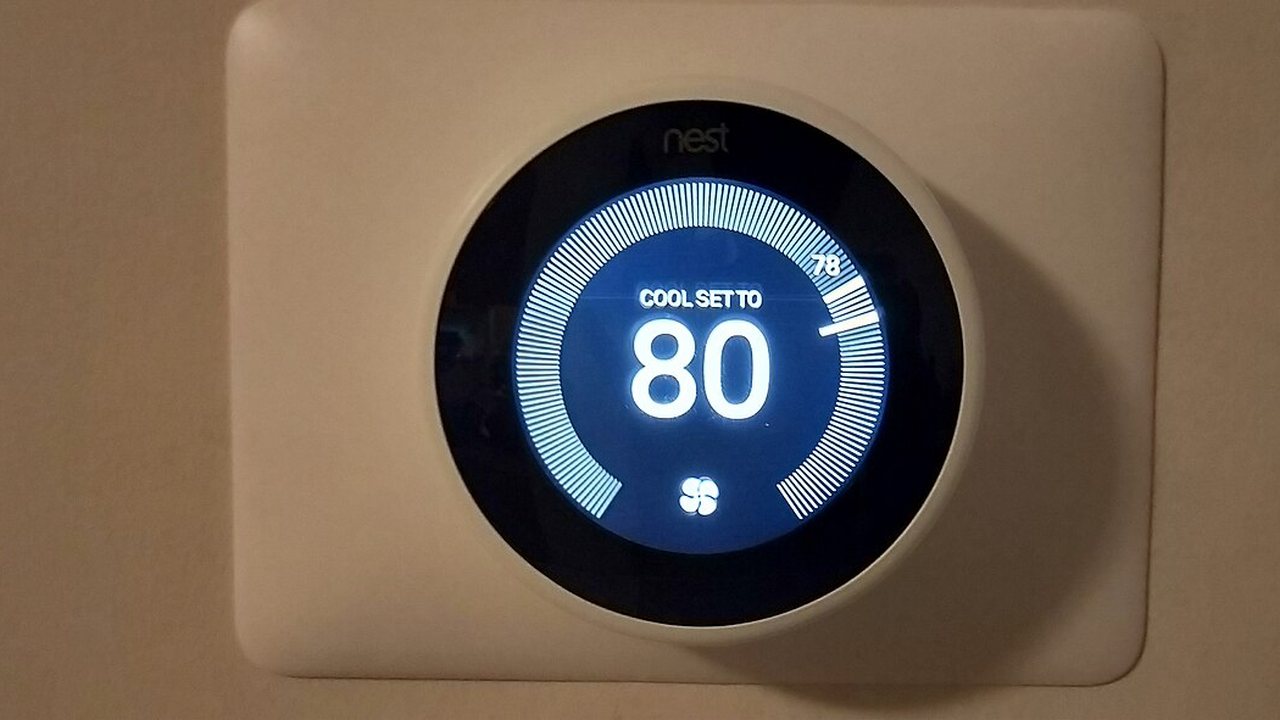
A smart thermostat that turns the heat down when no one is home attacks the biggest line on most energy bills. After a winter of running three of them side by side in a drafty two-story house, we think the ecobee Smart Thermostat Premium is the best for most homes. Its included room sensor fixes the most common comfort complaint, and it works with every major smart-home system.
Our pick: ecobee Smart Thermostat Premium ($249.99). A room sensor in the box, an air-quality monitor and the broadest smart-home support.
Upgrade pick: Google Nest Learning Thermostat, 4th gen ($279.99). The one to buy if you never want to open an app.
Budget pick: Amazon Smart Thermostat ($79.99). Most of the savings for a third of the price, if your home has a C-wire.
Why you should trust us
Nora Ellison has covered home energy for eight years and has installed more than two dozen thermostats in her own and readers’ homes. For this guide, she ran our three picks in the same house through a full heating season, swapping them between the main floor and an upstairs bedroom that runs four degrees colder.
Who this is for
Heating and cooling make up nearly half of a typical home’s energy bill, more than $900 a year, according to ENERGY STAR. If you leave the house at roughly the same times each day, or have rooms that never feel right, a smart thermostat will pay for itself. If you already set back a programmable thermostat faithfully, the savings will be smaller, and the reason to upgrade is comfort and convenience.
How we picked and tested
We started with every ENERGY STAR certified model from a major brand, a certification based on field data from real homes rather than lab claims, and cut any that needed a professional installer, a subscription or a separate hub. We installed the finalists ourselves, timed setup, lived with each schedule for weeks and checked how well each worked with Alexa, Google Home and Apple Home.
Our pick: ecobee Smart Thermostat Premium
Most homes have a room the thermostat ignores because it hangs in a warm hallway. The ecobee comes with a SmartSensor that reads temperature and occupancy in a second room, and it averages the rooms people are actually in. Our cold upstairs bedroom stopped being the room nobody wanted. It also tracks indoor air quality and works with all the major platforms.
Flaws but not dealbreakers
The ecobee app buries some useful settings, like how aggressively it pre-heats, a few menus deep. And at $249.99 it isn’t cheap, though nothing else at the price does as much out of the box.
Upgrade pick: Google Nest Learning Thermostat, 4th gen
The Nest is for the household that wants to set it and forget it. It learns a schedule from how you adjust it and builds the program on its own, and this generation adds a bigger display, Matter support and a temperature sensor in the box. It costs $30 more than the ecobee, and the extra mostly buys design and automation.
Budget pick: Amazon Smart Thermostat
At $79.99 it covers the basics that save money: schedules, away mode and control from your phone. It skips room sensors and learning, and it requires a C-wire, the constant-power wire many older systems lack. Pull the old thermostat off the wall and check before you buy.
Other good thermostats
The Honeywell Home T9 also includes a room sensor and is worth buying on sale if your home already runs on Honeywell gear. The ecobee Smart Thermostat Enhanced drops the included sensor to cut the price; most people are better off spending the difference.
- Wirecutter’s anatomy: picks first, then “Why you should trust us,” “Who this is for” and “How we picked and tested”
- A “Flaws but not dealbreakers” section on the top pick
- Prices on every pick, ready for affiliate links
- Plain text and headings that hold up on any platform
2026 Toyota RAV4 Hybrid vs. 2026 Honda CR-V Hybrid: The Family-Car Fight, Settled
America's two best-selling SUVs both went hybrid-first. One is quicker and thriftier. The other is the better place to spend a road trip.

Stand in any school pickup line in America and count. The RAV4 and the CR-V will make up a startling share of what you see, and for 2026 the choice between them got harder. Toyota redesigned the RAV4 and dropped the gas-only version entirely. Honda kept a gas CR-V for buyers on a budget but has pushed its hybrid to the center of the lineup.
We spent a week swapping between a RAV4 Hybrid and a CR-V Hybrid on the same commutes, the same grocery runs and one 300-mile highway loop. They are closer than the spec sheet suggests, and they are good at different things.
The Toyota: quicker, cheaper, thriftier
The RAV4’s hybrid system makes 236 horsepower, 32 more than the Honda, according to Honda’s own comparison sheet, and it feels it merging onto a fast interstate. It is also the efficiency champ, rated as high as 46 mpg city and 39 highway with all-wheel drive, though the rugged Woodland trim drops to 38/33. Every RAV4 is a hybrid, so the cheapest one, the LE, starts at $33,350 with destination.
The cabin is functional rather than lovely. Hard plastics show up where your knees and elbows land, and the engine makes itself heard when you ask for everything it has.

The Honda: roomier and quieter
The CR-V is the one we wanted for the 300-mile loop. It rides more calmly over broken pavement, the cabin is noticeably quieter at 75 mph, and the materials feel a class above the Toyota’s. Its 247 lb-ft of torque gives it a strong shove from a stop around town, which hides much of its horsepower deficit.
The cargo hold is the Honda’s trump card: 76.5 cubic feet with the rear seats folded, among the largest in the class. A double stroller, a cooler and two duffel bags went in without a fight. The cost is the price. The least expensive hybrid CR-V, the Sport Hybrid, starts at $37,080, according to GreenCars, and it returns 40 city and 34 highway with all-wheel drive.
What the mileage gap is worth
Less than the window stickers imply. At 12,000 miles a year and $3.72 a gallon, the difference between 37 and 42 mpg comes to about $144 a year. The RAV4’s $3,730 head start on price matters far more than its fuel economy edge.
The verdict
The RAV4 Hybrid wins for most buyers. It is quicker, more efficient and thousands of dollars cheaper to get into. The CR-V Hybrid is the better car for families who live in the cargo area and drive long distances, and for them its quieter, nicer cabin is worth the premium.
| RAV4 Hybrid | CR-V Hybrid | |
|---|---|---|
| Starting price (hybrid) | $33,350 | $37,080 |
| Total horsepower | 236 hp | 204 hp |
| Torque | Not published | 247 lb-ft |
| EPA city/highway, AWD | Up to 46/39 mpg | 40/34 mpg |
| Max cargo | Not published | 76.5 cu ft |
- Built like a Car and Driver comparison test: a scene-setting lede and the two cars driven back to back
- A section on each car, then one on what the real-world difference costs
- The verdict before the spec table, with a clear winner and who should buy the other
- Prices and specs linked to the makers and to Kelley Blue Book
The "little red dots" that puzzled Webb astronomers, explained
They looked like galaxies that shouldn't exist. A new study says they are the nurseries of the universe's first giant black holes.

When the James Webb Space Telescope began staring into the early universe, astronomers expected to find young galaxies. They did not expect hundreds of tiny, fiercely bright red specks, each only a few hundred light-years across and yet shining like galaxies many times larger. They called them “little red dots,” and for three years nothing explained them.
Now a team at the University of Portsmouth says it has the answer: each dot is a young galaxy wrapped around a newborn black hole about 10 million times the mass of the Sun. If they are right, Webb has been photographing the origin of supermassive black holes all along.
Why were they so hard to explain?
Because they broke every category. Their light has a strange V-shaped spectrum, and they lack the X-ray and radio glow that feeding black holes almost always give off, according to the University of Portsmouth. Some researchers argued they were dense clusters of stars. Others said they were too bright and too compact to be made of stars alone. Each idea explained part of what Webb saw. None explained all of it.
So what are they?
The team, led by Daniel Whalen of Portsmouth’s Institute of Cosmology and Gravitation, ran simulations of the early universe and found that the dots match a specific, violent event: a supermassive primordial star collapsing directly into a black hole, less than a billion years after the Big Bang.
The trick is in the wrapping. The black hole stays buried in the dense disc of gas that formed it. That gas swallows the X-rays that would normally give a black hole away, while letting some ultraviolet, visible and infrared light leak out. A cluster of roughly 100 million stars nearby adds the blue end of the light. Put together, it reproduces the odd signature Webb keeps recording.
“We may be witnessing the birth of the first supermassive black holes.”
— Daniel Whalen, University of Portsmouth
Why it matters
Every large galaxy, including the Milky Way, has a supermassive black hole at its center. How the first ones grew so huge so soon after the Big Bang has been one of astronomy’s stubborn puzzles. Direct collapse, in which a black hole is born big instead of growing from a small one, has long been a leading idea. Little red dots could be the first good look at it happening.
Is the case closed?
Not yet. The result, published in The Astrophysical Journal Letters, comes from simulations that reproduce a wide range of the dots, including some of the most distant. Still open:
- Whether every little red dot is the same kind of object, or several look-alikes
- How long the dots last before the black hole breaks out of its gas
- What direct observations will show when telescopes look for the buried black holes themselves
- Explainer built the way Vox and The Atlantic do it: a story first, then the answer in the second paragraph
- Question subheads that match what readers search
- Separates what is known from what is still open
- Primary source: the university’s own release, plus a pull quote from the lead scientist
How much sleep does a toddler need? Hours by age, plus a sample schedule
Toddlers ages 1 to 2 need 11 to 14 hours of sleep in every 24-hour period, naps included. At ages 3 to 5, the range drops to 10 to 13 hours. Those numbers come from the American Academy of Sleep Medicine, and the American Academy of Pediatrics endorses them.
They are ranges for a reason. One healthy 18-month-old thrives on 11 hours; another needs nearly 14. A child who wakes up in a good mood and makes it to dinner without falling apart is usually getting enough.

Sleep needs by age
| Age | Total sleep per 24 hours | Typical naps |
|---|---|---|
| 4 to 12 months | 12 to 16 hours | 2 to 3 |
| 1 to 2 years | 11 to 14 hours | 1 to 2 |
| 3 to 5 years | 10 to 13 hours | 0 to 1 |
| 6 to 12 years | 9 to 12 hours | None |
A panel of experts set the hours after reviewing 864 published studies. Children who regularly get the recommended amount show better attention, behavior, learning, memory and emotional control.
What a day can look like at 18 months
Every family’s rhythm is different. This is one schedule that adds up to about 13 hours.
| 6:45 a.m. | Wake up |
| 12:30 to 2:30 p.m. | Nap (2 hours) |
| 6:45 p.m. | Bath, pajamas, books |
| 7:15 p.m. | Lights out (11½ hours overnight) |
How to help a toddler get enough sleep
- Keep the same bedtime, weekends included. A steady clock makes falling asleep easier.
- Move bedtime earlier when a nap disappears. Night sleep has to cover the hours the nap used to.
- Build a short, boring routine. Bath, pajamas, two books, lights out, in the same order every night.
- Turn screens off an hour before bed. Bright light pushes back the body’s sleep signal.
Signs your toddler is short on sleep
- Falling asleep almost every time the car or stroller moves
- Meltdowns that pile up in the late afternoon
- Being hard to wake, or waking up already cranky
- Getting wild and wired right before bed
Loud, regular snoring, pauses in breathing during sleep, or a child who seems tired despite getting enough hours are worth raising with a pediatrician.
Common questions
Is 10 hours of sleep enough for a 2-year-old?
It is below the recommended 11 to 14 hours. One short night isn’t a problem, but if 10 hours is the pattern, an earlier bedtime or a protected nap usually closes the gap.
When do toddlers stop napping?
Most children drop their last nap somewhere between ages 3 and 5. Until then, naps count toward the daily total.
- The answer in the first sentence, the way search results and featured snippets want it
- A chart by age and a sample schedule a parent can copy
- Numbered tips, warning signs and FAQ questions written the way parents type them
- Stays accurate for years, so it keeps earning search traffic
Gas prices by state: Where a Thanksgiving fill-up costs the most and least
Filling a 15-gallon tank costs $45.84 in North Carolina and $84.03 in Hawaii.
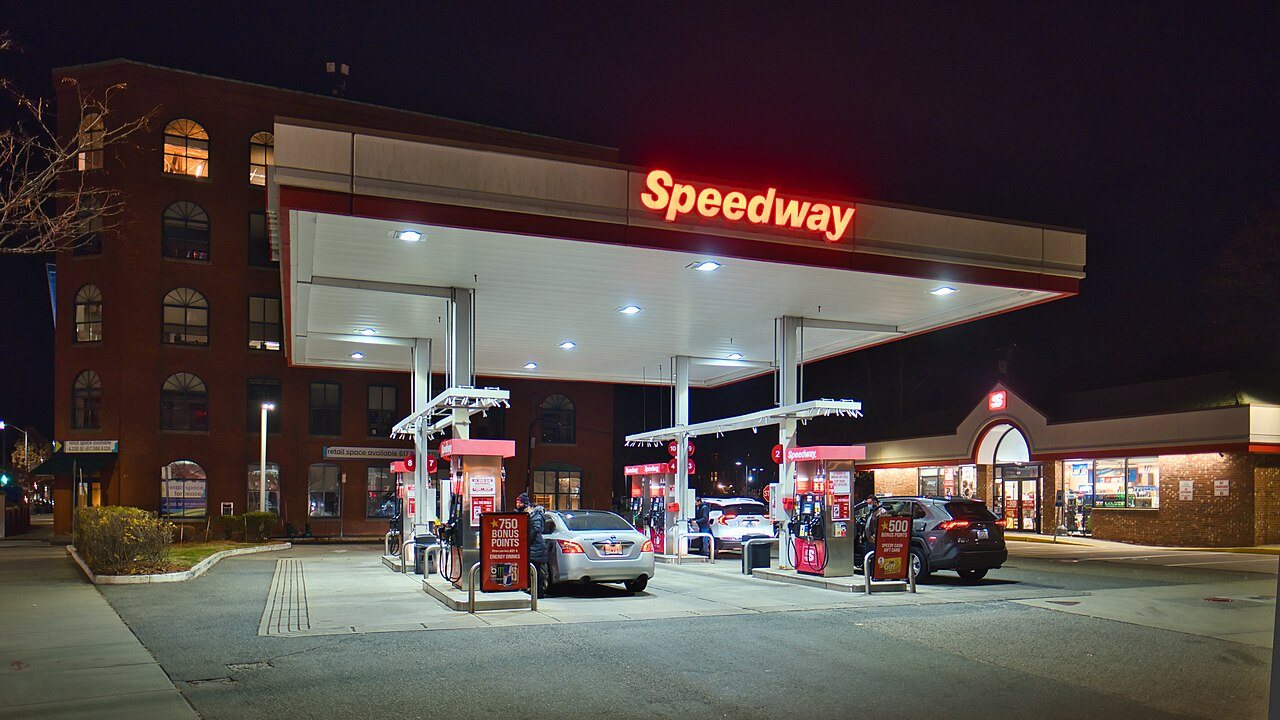
About 72.9 million Americans will drive for Thanksgiving this year, according to AAA, and what they spend on gas depends far more on where they fill up than when. We ranked every state and the District of Columbia by the price of a gallon of regular.
Key findings
- North Carolina is the cheapest state at $3.06 a gallon, 67 cents below the national average of $3.72.
- Hawaii is the most expensive at $5.60, with California close behind at $5.51.
- The gap is $2.55 a gallon, or $38.19 on a single 15-gallon fill-up.
- The West Coast pays the most. California, Washington and Oregon all rank in the 10 most expensive, along with Nevada and Alaska.
- The South and Midwest pay the least. All 10 of the cheapest states are in those two regions, led by North Carolina, Indiana, Texas, Oklahoma and Ohio.
- 28 states are below the national average; the average is pulled up by a handful of very expensive ones.
Full ranking
Price is the average for a gallon of regular. Fill-up is 15 gallons.
| # | State | Price | Fill-up | vs. avg. |
|---|---|---|---|---|
| 1 | North Carolina | $3.06 | $45.84 | −$0.67 |
| 2 | Indiana | $3.17 | $47.52 | −$0.55 |
| 3 | Texas | $3.20 | $48.07 | −$0.52 |
| 4 | Oklahoma | $3.24 | $48.62 | −$0.48 |
| 5 | Ohio | $3.25 | $48.80 | −$0.47 |
| 6 | Georgia | $3.25 | $48.82 | −$0.47 |
| 7 | South Carolina | $3.30 | $49.46 | −$0.42 |
| 8 | Louisiana | $3.34 | $50.10 | −$0.38 |
| 9 | Tennessee | $3.35 | $50.33 | −$0.37 |
| 10 | Arkansas | $3.38 | $50.62 | −$0.35 |
| 11 | Alabama | $3.40 | $50.97 | −$0.32 |
| 12 | Missouri | $3.42 | $51.28 | −$0.30 |
| 13 | Mississippi | $3.46 | $51.85 | −$0.26 |
| 14 | Kentucky | $3.46 | $51.94 | −$0.26 |
| 15 | Kansas | $3.50 | $52.45 | −$0.22 |
| 16 | Wisconsin | $3.50 | $52.49 | −$0.22 |
| 17 | Florida | $3.51 | $52.60 | −$0.21 |
| 18 | Colorado | $3.53 | $52.92 | −$0.19 |
| 19 | Iowa | $3.54 | $53.05 | −$0.18 |
| 20 | Montana | $3.56 | $53.40 | −$0.16 |
| 21 | Minnesota | $3.57 | $53.61 | −$0.15 |
| 22 | North Dakota | $3.59 | $53.84 | −$0.13 |
| 23 | New Mexico | $3.59 | $53.91 | −$0.13 |
| 24 | South Dakota | $3.62 | $54.32 | −$0.10 |
| 25 | Virginia | $3.64 | $54.57 | −$0.08 |
| 26 | Nebraska | $3.66 | $54.91 | −$0.06 |
| 27 | Michigan | $3.67 | $54.98 | −$0.06 |
| 28 | Delaware | $3.71 | $55.63 | −$0.01 |
| 29 | Maryland | $3.73 | $55.99 | +$0.01 |
| 30 | Rhode Island | $3.76 | $56.47 | +$0.04 |
| 31 | West Virginia | $3.81 | $57.10 | +$0.09 |
| 32 | Wyoming | $3.83 | $57.43 | +$0.11 |
| 33 | New Jersey | $3.88 | $58.14 | +$0.15 |
| 34 | Massachusetts | $3.89 | $58.29 | +$0.16 |
| 35 | New Hampshire | $3.90 | $58.53 | +$0.18 |
| 36 | Maine | $3.94 | $59.17 | +$0.22 |
| 37 | Utah | $3.96 | $59.37 | +$0.24 |
| 38 | Connecticut | $3.96 | $59.37 | +$0.24 |
| 39 | Arizona | $3.97 | $59.54 | +$0.25 |
| 40 | Idaho | $3.99 | $59.87 | +$0.27 |
| 41 | Illinois | $4.02 | $60.29 | +$0.30 |
| 42 | Vermont | $4.02 | $60.29 | +$0.30 |
| 43 | New York | $4.08 | $61.15 | +$0.36 |
| 44 | District of Columbia | $4.10 | $61.45 | +$0.38 |
| 45 | Pennsylvania | $4.15 | $62.28 | +$0.43 |
| 46 | Alaska | $4.36 | $65.39 | +$0.64 |
| 47 | Oregon | $4.37 | $65.48 | +$0.64 |
| 48 | Washington | $4.74 | $71.12 | +$1.02 |
| 49 | Nevada | $4.80 | $72.01 | +$1.08 |
| 50 | California | $5.51 | $82.66 | +$1.79 |
| 51 | Hawaii | $5.60 | $84.03 | +$1.88 |
Methodology
States are ranked from cheapest to most expensive by AAA’s average price for a gallon of regular unleaded on Nov. 19, 2026, published on AAA’s state gas price averages page. Fill-up cost assumes 15 gallons. The District of Columbia is included and ranked with the states. Prices change daily.
- Data-desk structure: key findings as a numbered list, then the full table, then the method
- Every number calculated from one dataset pulled the day before publishing
- A plain HTML table, the one data format MSN, Yahoo and NewsBreak all keep
- Updates in minutes when the data changes
Is the IRS sending $1,390 stimulus checks?
Claim: The IRS is sending a new $1,390 stimulus payment by direct deposit, and people can check whether they qualify through a link.
Rating: False
Where it spread: Social media posts, video captions and websites, on and off since 2024

Posts promising a “$1,390 stimulus check” keep circulating, usually with a link to “check eligibility” and a deadline that creates urgency. No such payment exists. Congress has not authorized a new stimulus payment of any amount, and the IRS has not announced one.
What the posts get wrong
Economic Impact Payments, the official name for stimulus checks, were created by acts of Congress, and the IRS can only send money Congress has approved. The agency’s Economic Impact Payment page lists three rounds, all paid during the pandemic. There has been no fourth.
Where $1,390 seems to come from
The number appears to be a garbled version of something that really happened. In December 2024, the IRS said it would automatically send about $2.4 billion to roughly 1 million people who had qualified for the 2021 Recovery Rebate Credit but never claimed it. Individual payments were up to $1,400, CPA Practice Advisor reported.
That was a one-time catch-up on a pandemic-era credit, not a new program. The deadline to claim the 2021 credit passed on April 15, 2025. Fact-checkers flagged the same $1,390 claim again in early 2026.
The link is the danger
Many of these posts send readers to pages that ask for a Social Security number or bank details. The IRS does not require anyone to sign up through a social media link to receive a payment, and real IRS payments are followed by an official IRS letter. Anyone who entered personal or bank information on one of these sites should treat it as possible identity theft.
Our ruling
Posts claim the IRS is sending new $1,390 stimulus checks. Congress has not authorized any new stimulus payment, and the IRS has not announced one. The figure appears to trace back to a one-time December 2024 payment of up to $1,400 for a missed 2021 credit, which is over. We rate this claim False.
- Snopes and PolitiFact format: the claim, the rating and where it spread in the first three lines
- Traces the false number back to the real event behind it
- Spells out the scam risk, the part readers act on
- Ends with a formal ruling that restates the evidence
The tip screen has gone too far. Here's where I draw the line.
Tipping was a thank-you for service. Now it's a guilt prompt at the self-checkout.

Last week I bought a bottle of water at an airport kiosk. I scanned it myself, tapped my own card and bagged nothing, because there was nothing to bag. Then the screen swiveled toward me and asked for 20%.
I tapped “No tip,” and I felt bad about it, which is the whole point.
I’m not alone in being worn down. Seventy-two percent of Americans say tipping is expected in more places than it was five years ago, the Pew Research Center found, yet only about a third say it’s easy to know whether to tip or how much. Bankrate’s 2025 survey found 41% of Americans think tipping culture has gotten out of control, up six points in a year, and 38% are annoyed by pre-entered tip screens.
The screens aren’t neutral. They put the ask in front of us at the exact moment someone is standing there watching, with preset buttons that start at 18% or 20% for a transaction that took 40 seconds. A tip used to be a thank-you for service. On a screen, it has become a fee with a guilt trip attached.
The fair objection is that tips are how a lot of workers pay rent. That is true, and it’s exactly why the screens bother me. When every purchase asks for a tip, the ask stops meaning anything, and the people who depend on tips the most, servers, bartenders, delivery drivers, end up competing with a self-checkout kiosk for the same shrinking goodwill.
So I’ve set a rule, and I’d suggest it to anyone tired of standing at a counter doing mental math.
I tip, and tip well, when a person serves me: at a table, at the bar, at my door, in the barber’s chair. Twenty percent, more when it’s earned. I don’t tip when the “service” is a screen asking whether I want to tip. That isn’t stinginess. It’s how a tip keeps its meaning.
Businesses that want their counter staff paid better should pay them better and put it in the price. A growing share of customers would rather they did. The rest of us should stop letting a swiveling iPad decide what we owe.
Caleb Rhodes writes about money and everyday life.
- Op-ed structure from the New York Times and Wall Street Journal: first person and no subheads
- Opens on a scene readers have lived, then makes the argument with survey data
- Takes on the strongest objection directly
- Ends with a clear rule the reader can use, then the contributor line
She Sells 400 Tacos a Day From a Truck. Here's the Math That Keeps It Rolling.
Marisol Vega on permits, rain days, the $9 taco and why she turned down a restaurant.
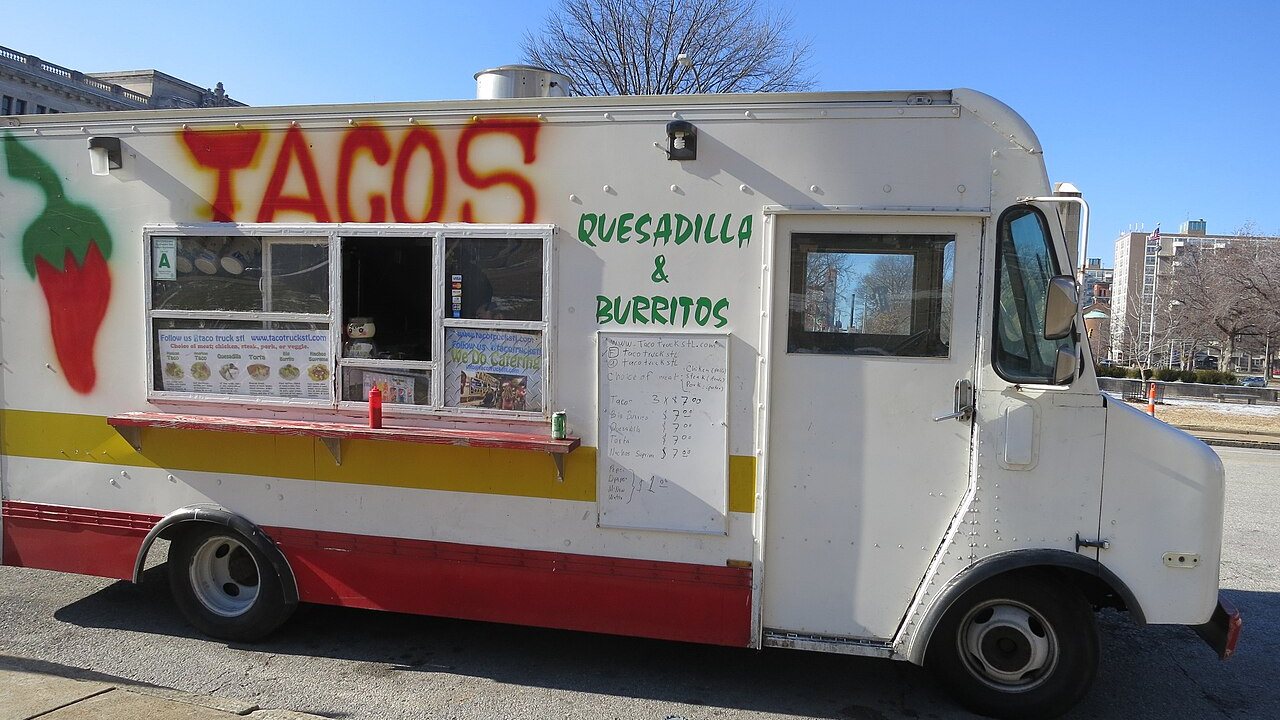
At 10:40 on a Tuesday morning, Marisol Vega has been awake for six hours, and the line outside Humo, her barbacoa truck, is already eight people deep. By 2 p.m. she will have sold close to 400 tacos from a window about the width of a refrigerator door.
Vega, 41, spent 12 years on restaurant lines before a layoff in 2020 pushed her to buy a used truck. Six years later, Humo is one of the busiest trucks in St. Louis, and she has become the person other owners call when the numbers stop working. We talked between the lunch rush and her afternoon prep.
This interview has been edited and condensed.
People see the line and assume you’re getting rich. Are you?
I’m doing well. Rich, no. A good lunch is maybe $3,500 in sales. People hear that and stop listening. Then the meat comes out of it, the commissary, the generator, gas, two employees, insurance, the card fees. On a great day I keep around 20 cents of every dollar. On a rainy Monday I can lose money opening the window.
What does a rainy Monday look like?
Forty tacos. You’ve already cooked for 300. Barbacoa doesn’t care that it’s raining. It went in the smoker at 4 in the morning.
So why not open a restaurant? You’d have a roof.
I had the offer. A landlord downtown called me two years ago. I ran the numbers on the back of a receipt, and the rent alone was more than my truck payment, my commissary and my gas put together. A truck goes where the people are. A restaurant waits for them to come to you. I’ve worked in enough restaurants to know how long they can wait.
What did the truck cost you?
Sixty-eight thousand, used, with the kitchen already built out. I thought that was the big number. It wasn’t. The permits took four months. The fire suppression inspection alone took three tries.
Your tacos are $9. Some of your neighbors charge $5. How do you defend that?
I don’t defend it. I explain it, once. The beef is cheek, smoked for 10 hours, and the tortillas are pressed to order. If somebody wants a $5 taco, I’ll point them to a good one two blocks over. My regulars come back because it tastes like something somebody spent all night on. Because somebody did.
What’s the mistake you see new truck owners make most?
Too big a menu. They want 14 things. Every item is more inventory, more waste, more time at the window. I sell three tacos and a consommé. When the line is 30 people deep, speed is the menu.
And the second most common?
Chasing festivals. You pay a big fee, you sell a lot and you go home tired and even. Lunch at an office park four days a week is boring, and boring pays the bills.
Is there a day you almost quit?
The generator died during a heat wave in my first summer, with a full line. I gave away every taco I had left and sat in the truck and cried. The next week half those people came back and paid. That’s when I knew it could work.
What happens to Humo in five years?
Two trucks, maybe three. Never a dining room. I like that my business has wheels. If the city changes, I change with it.
- Built like The New York Times’ “The Interview” and Eater’s Q&As: a scene-setting intro, then the conversation
- Short, pointed questions with follow-ups and one real push-back
- Answers keep the subject’s own voice and specific numbers
- Ends on a line that sums her up
What publishers say
Our site was brand new making $0 before Yeez. Three months after implementing it, we’re doing over $9,000 a month. The system handles almost everything from finding stories to getting them published, and I spend about 45 minutes a day checking on things.
 Main Street Dollarsmainstreetdollars.com
Yeez took me from struggling to get a few articles up a day to consistently publishing 10+, and our views are growing exponentially. Now we finally have time to build out our other social platforms.
 Women’s Overviewwomensoverview.com
Before Yeez, we struggled to publish more than 3 or 4 articles a day. Now we’re publishing 15+ a day without hiring a single writer, and our monthly views went from 150,000 to over 500,000 in 90 days. I wish we’d had this years ago.
 Combat Ratedcombatrated.com
We were already publishing 20–30 articles a day. Yeez made us more strategic about which stories we cover, sharpened our headlines and got us onto platforms we weren’t using. Pageviews are up 35% without adding writers.
 Willow and Hearthwillowandhearth.com
Finished, and in progress right now.
Finished ones ran the full 90 days. The rest update every week until they get there.
What Yeez could be worth on your sites.
Drag the sliders to match your sites today. Everything below is worked out from your own numbers.
Your dashboard’s total views divided by articles published.
Use your own number from your ad or syndication dashboard.
Writer fees. If you write them yourself, put what your time is worth per article.
You set the cadence in setup.
Willow and Hearth saw 35% more pageviews without adding writers. Smaller sites can jump far further: one went from 80,000 to almost 500,000 views a day after its headlines were rebuilt.
This is your blog alone. It leaves out everything else Yeez runs: social, comment-to-DM, the newsletter and offers.
An estimate from the numbers you enter, not a promise. More articles a day doesn’t always mean the same views per article: a site going from 1 article a day at 3,000 views to 100 a day may not hold 3,000 on each, though it can. The headline lift is an estimate, and month 1 counts without it. “New income, first 90 days” counts extra income only, not the writing costs you stop paying. The 90-day earn-back guarantee is the only promise we make about income.
Who Yeez is for, and who it isn’t.
Pick where your sites are today. Yeez runs the work for that stage and helps you reach the next one.
Yeez is for you if
- You own a site on WordPress, Shopify, Wix, Webflow, Ghost or 4 other platforms
- You want more articles out without hiring more writers
- You want to stay in charge of what goes out
- You want to see what’s working from your own numbers every week
It isn’t for you if
- You don’t have a site yet
- You need syndication acceptance guaranteed. No one can promise that, and we don’t
- You want someone to run it for you every month. We build it and hand it off
- You won’t connect your own social and newsletter accounts
Pay monthly or pay once.
Founding price for the first 40 sites only.
Monthly
Founding price- The full article flow: research, ranked headlines, sourced articles, the quality check, publishing, and how to apply for syndication
- Search built in: titles and markup on every article, links to your own stories, 5 search articles a week, and Search Console in your weekly review
- The newsletter flow: signup forms on your articles, the welcome email, a daily issue built from your best stories, and paid recommendations
- Social for your pages, with comment-to-DM, and new platforms as they’re added
- The weekly review: your winners and losers, and next week’s rules
- The setup form, setup videos and email support
Pay in full
Founding price- The full article flow: research, ranked headlines, sourced articles, the quality check, publishing, and how to apply for syndication
- Search built in: titles and markup on every article, links to your own stories, 5 search articles a week, and Search Console in your weekly review
- The newsletter flow: signup forms on your articles, the welcome email, a daily issue built from your best stories, and paid recommendations
- Social for your pages, with comment-to-DM, and new platforms as they’re added
- The weekly review: your winners and losers, and next week’s rules
- The setup form, setup videos and email support
Yeez Custom · $20,000+
We build Yeez around the sites, tools and accounts you already run, set it up with you on calls, and hand it off to you running.
| Yeez · founding price | Yeez Custom · $20,000+ | |
|---|---|---|
| Social platforms | Your social pages, set up by you | Every platform you use, built for you |
| Setup | You, with our videos | We build it and hand it off |
| Built to fit your setup | Standard Yeez | Custom-built around what you have |
| Voice, categories, headline rules | Learned from your site, confirmed by you | Set up by hand |
| Account connections | You, step by step | Done with you |
| Support | By email | By email and setup calls |
What it costs to pay people to do the same jobs.
Typical US freelance rates. Your costs depend on who you hire and how much you publish.
If it doesn’t earn back what you paid, we make up the difference.
Run Yeez for 90 days, the way we show you. If it hasn’t brought in at least what you paid in extra income, we refund the difference. Yeez and Yeez Custom both carry it. Guarantee terms
How we measure it: what your sites earned in the 90 days after setup is finished, minus what they earned in the 90 days before, from your own ad, syndication, affiliate and newsletter dashboards. On a brand-new site, the before is $0.
Common questions
What do I need to run it?
A site on WordPress, Shopify, Wix, Webflow, Ghost, HubSpot, Joomla, Framer or Blogger, and a paid plan for a desktop AI app: Claude, Codex, the ChatGPT desktop app, Cursor, Grok and more.
Does it do SEO?
Yes. Every article gets its search title, description, web address, news markup and links to your related articles, set in your SEO plugin automatically. A search lane writes 5 articles a week built for Google, which you approve before they go live, and your weekly review shows your Search Console numbers. It follows Google’s published guidance for AI-assisted content; Google still decides what ranks.
Do I need to code?
No. Setup is a two-minute form, and the videos walk you through connecting each account.
Which platforms does it post to?
Yeez publishes to your site and posts to your social pages, with new platforms added as they’re built. From your site, articles reach readers through search, your social pages, your newsletter and any syndication partner you’re approved on, like NewsBreak, MSN, Yahoo, SmartNews, Flipboard, Google News and Apple News. Those partners pull your articles from your site’s feed, so there’s nothing extra to post. Yeez shows you how to apply; we don’t get you approved. Yeez Custom builds every platform you use for you. All with your own accounts.
Is my data mine?
Yes. Your articles live on your own site and your posts on your own Pages. Your settings and reports are kept in your yeez.ai account, and the WordPress and Meta connections you approve are stored encrypted. You can cut off either one from WordPress or Meta at any time.
How is this different from ChatGPT?
ChatGPT in your browser answers one prompt at a time, and it can’t run Yeez. Yeez runs in desktop AI apps like Claude, Codex and the ChatGPT desktop app, and it does the whole job every day on its own: it picks the stories, writes them, checks them, posts them and learns from your numbers.
What’s the difference between Yeez and Yeez Custom?
Yeez is the full system, set up by you with our videos and email support. Yeez Custom is built around what you already run: we custom-build what’s needed, set it up with you on calls, and hand it off running.
How does the guarantee work?
Run Yeez the way we show you for 90 days. Then compare what your sites earned in those 90 days against the 90 days before, from your own dashboards. If the difference is less than what you paid, send us those numbers and we refund the difference. On a brand-new site, the before is $0. The full conditions are in our guarantee terms.
Does it publish without me?
It runs on the schedule you set, and you can still review everything. Articles go into your own site’s editor (WordPress, Shopify, Wix and the rest), so you can open, edit or delete any of them before they go live, and your yeez.ai dashboard lists everything that’s queued.
How much of my time does it take?
About 45 minutes to an hour a day once it’s running, plus however long you spend reviewing anything you want to see before it goes out. Setup is a two-minute form and connecting your accounts with the videos.
Will it sound like me?
Yeez learns your voice and categories from the articles already on your site, and you confirm them. You can read the first scheduled articles before they go live, and each weekly review tunes it from your numbers.
What do I keep if I stop using it?
Everything it made. Your articles, posts and subscriber lists live on your own site and in your own accounts.
What else will I pay for?
Your plan for your desktop AI app (Claude, Codex, the ChatGPT desktop app, Cursor, Grok and more), and the accounts you already run, like your hosting and newsletter platform. You pay those directly. We add nothing on top.
Do I own it?
Paid in full, it’s yours from day one. On the monthly plan, it’s yours after 18 payments. Either way, updates and support are optional after that at $97 a month, and everything it made stays yours.
What’s the founding price?
The first 40 sites pay $197 a month for their first 3 months instead of $597, or $3,997 paid in full instead of $5,997. In exchange, founders share their before-and-after numbers for a case study. Each site is one spot.
Can I add more sites?
Yes. Extra sites on the same account are $297 a month or $2,997 paid in full.
What happens after I ask for the free audit?
A person reviews your site and channels and emails you what we’d change first: headlines, publishing cadence, and the syndication and social channels you aren’t using yet. It arrives within two business days, there’s no call, and the findings are yours whether you buy or not.
Turn the views you get into money.
Views to Money, from Clark Bros Media. Straightforward ways to make money from your views, on every kind of content.
- One way to earn more from the views you already get, step by step
- The numbers behind what we run: what worked and what didn’t
- Articles, social, video and email: every content type
Your media company, ready every morning.
Install it once. Connect your sites. Then start each day with ranked headlines, drafted articles and posts ready to go.
Get Yeez $197 to startOr pay with PayPalGet your free Yeez audit
A person goes through your site and emails you a short, ranked list of what to fix to get more traffic and more money from it. Free, no call, within 2 business days.
Built like the biggest pages build them.
Headline photos, listicles, collages, data cards, split stories, quote cards and reels: the formats the largest pages on Facebook and Instagram post every day. Filter by niche or format.
The customer left a note on the receipt. Her manager had other plans.
Would you have split it?
412 days. Same walk, every morning. Grab the tissues.
Number 9 surprised us. What’s the one thing you always buy in bulk?
Watch the student section at the end. Sound on.
No side hustle. No inheritance. One rule she followed every payday. Full breakdown in the comments.
Claim at 62 and you get 70% of your full check. Wait until 70 and you get 124%. For life.
When are you planning to claim?
She thought she was setting a boundary. One phone call changed everything. Was she wrong?
If you know, you know. Drop your age below.
No surprise at number 1. What’s the most miles you’ve ever put on a truck?